

Professional diving carried out under standard, by a certified crew
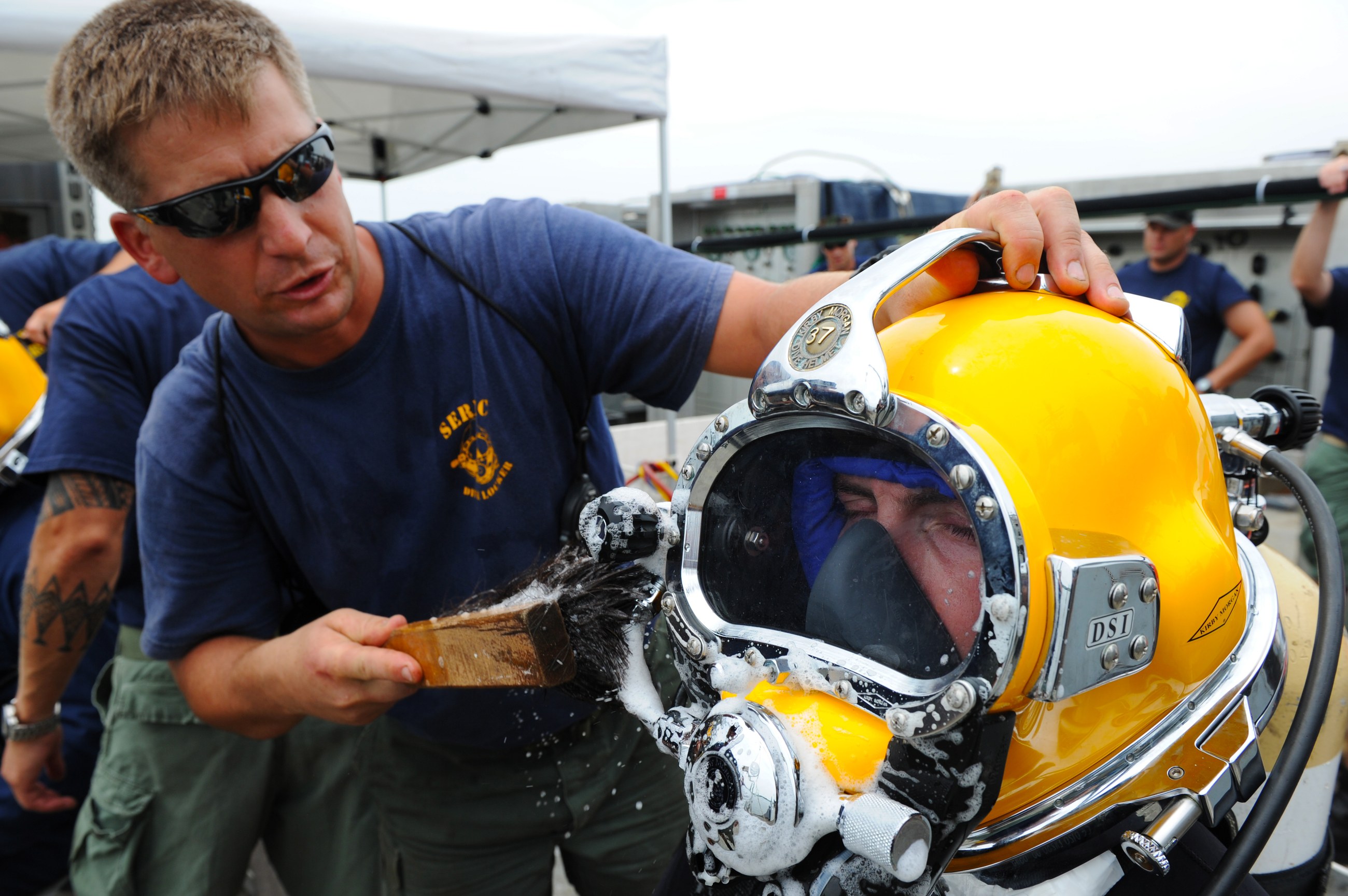
When the work has to be done underwater -- inspecting, repairing, rescuing, or supporting a marine drilling operation -- professional diving comes in as specialized execution, with a certified crew and dedicated safety equipment, never as adapted recreational diving.
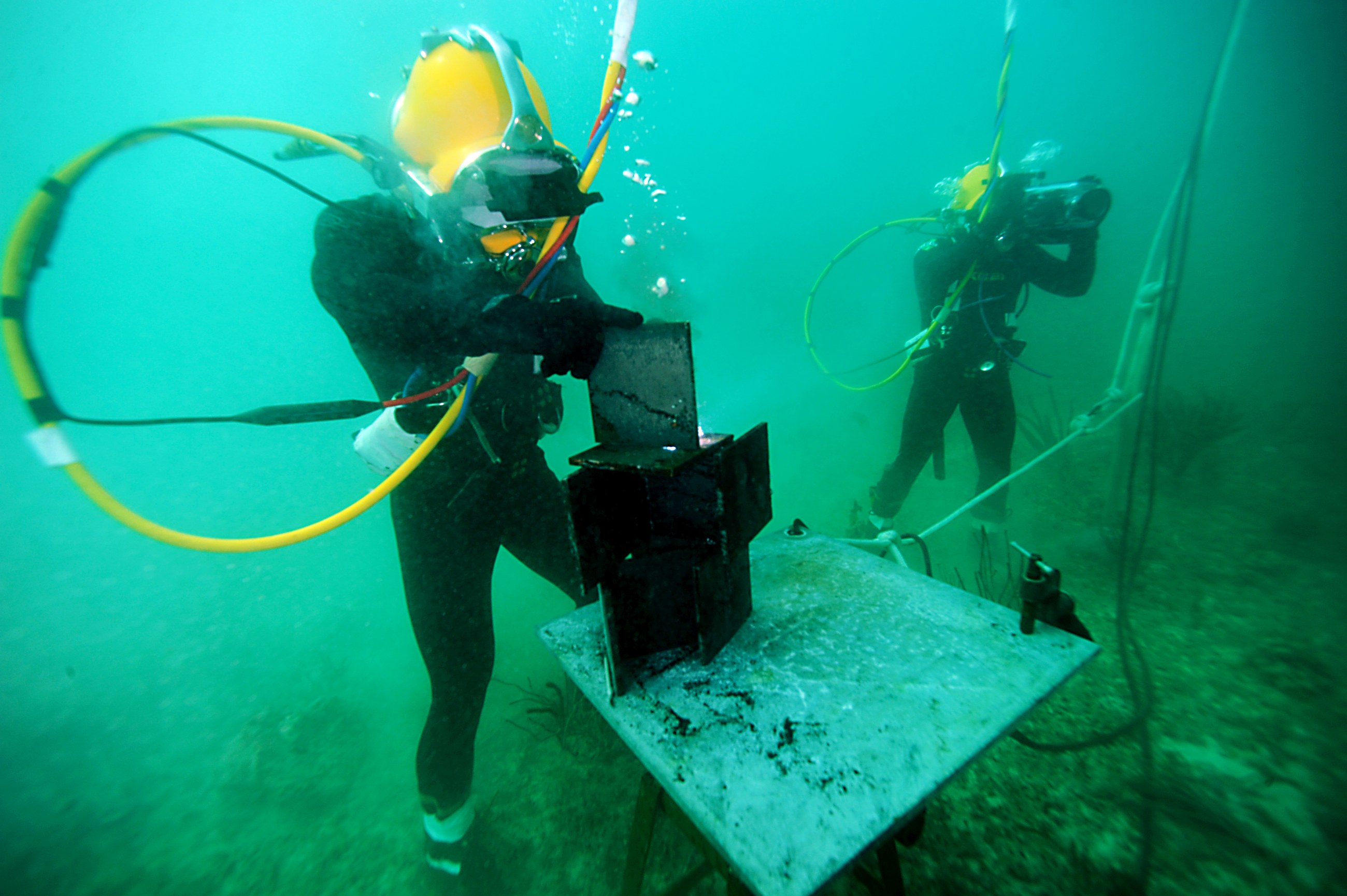
What we do
Seven underwater work fronts, each carried out as commercial diving — never as adapted recreational diving.
- Jet probe
- Non-destructive testing
- Inspection of vessels and other underwater structures
- Vessel rescue
- Underwater structure cutting and welding
- Pile recovery
- Expert survey reports
Commercial diving applies to industrial, construction, engineering or maintenance underwater work -- distinct from sport diving -- with formal certification and a dedicated support crew. The jet probe uses a water jet for rapid seabed investigation in support of dredging and anchoring operations. Non-destructive testing checks the integrity of submerged metal structures without damaging them. Inspection of vessels and other underwater structures covers hulls, pipelines, platforms and marine structures. Vessel rescue and pile recovery handle emergency situations or construction corrections. Underwater structure cutting and welding support repairs and structural interventions on site, with no need for lifting. Every intervention is documented in a technical expert survey report.
Typical applications
- Construction and maintenance of offshore platforms and structures
- Underwater inspection of structures and pipelines
- Underwater welding and cutting
- Rescue diving
Jet probe: the bridge to geotechnics
The jet probe is a survey carried out by a diver, using a water jet to quickly investigate the seabed in support of dredging and mooring operations. It is where professional diving connects directly to marine geotechnics — the same subsoil investigation our team also carries out from vessels and platforms.
Explore Marine GeotechnicsCommercial diving, not recreational
Commercial diving is a regulated activity, distinct from sport diving: it requires formal diver certification, a dedicated surface support crew and its own safety equipment — never adapted recreational diving. The activity follows the international standards of ADCI (Association of Diving Contractors International) and IMCA (International Marine Contractors Association), the reference bodies for the commercial and offshore diving sector.
| Standard | Code |
|---|---|
| International Consensus Standards for Commercial Diving and Underwater Operations | ADCI |
| International Code of Practice for Offshore Diving | IMCA |
Sector reference limits (ADCI)
Values published by the ADCI standard for each commercial diving mode — a sector reference, not an operational capability disclosed by GEOSEA.
- ADCI limit for commercial SCUBA
- 100 fsw / 30 msw
- ADCI limit for shallow surface-supplied air diving
- 190 fsw / 58 msw
- Mixed-gas diving (heliox)
- up to 300 fsw / 91 msw
Need professional diving on your project?
Talk to our team and tell us what your job or operation needs underwater.
Get in touch